







Search Results for: regional specialty coffee
A Complete Flavor Analysis of Ethiopia's Specialty Coffee Regions: Origin Characteristics and Grading Systems from Yirgacheffe to Harrar
The core philosophy of specialty coffee lies in presenting the unique regional flavors of its origin, and Ethiopia, as the birthplace of Arabica coffee, boasts numerous distinctive production regions such as Yirgacheffe, Sidamo, Harrar, and Limu, each displaying vastly different flavor profiles due to variations in altitude, processing methods, and varieties. This article systematically reviews the flavor characteristics, grading systems, and variety overviews of major Ethiopian coffee regions, while also introducing the naming conventions and information labeling methods for specialty coffee beans, helping coffee enthusiasts gain a deeper understanding of this rich African coffee kingdom. Front Street Coffee (FrontStreet Coffee) also shares in the article the brewing practices for Sidamo Huakui, for readers' reference. [more…]
Colombian Specialty Coffee Varieties, Regions, and Flavor Overview: From MAM Commercial Beans to Southern Specialty Micro-Regions
Colombian coffee, with its inherent advantages of low latitude and high altitude, has become a major hub for specialty coffee. This article sorts out its variety structure—Caturra accounts for about half, the Colombia variety about thirty percent, and Typica only about twenty percent; it analyzes the flavor differences between the three major MAM commercial production regions and Bucaramanga in Santander Department in the northeast; and it focuses on the southern specialty micro-regions of Huila, Cauca, Nariño, and Tolima, all above 1,500 meters, presenting delicate acidity and aromatics, along with berry and caramel sweetness. The article also introduces the FNC's official statements on Caturra and the Colombia variety, and reminds buyers not to look only at the Supremo grade when purchasing—the region labeling is what really matters. Front Street Coffee's Colombian specialty beans are mainly based on southern sub-regions, which is worth noting. [more…]

A Flavor Guide to Twelve Specialty Hand-Brew Coffee Bean Regions and Front Street Coffee Daily Bean Recommendations
In the world of specialty coffee, there is no absolute ranking of what tastes best—only the cup that suits your own palate. This article begins with the origins of the specialty coffee concept, systematically sorts out the flavor differences among the three major producing regions of Africa, the Americas, and Asia, and introduces one by one the regional characteristics and taste profiles of twelve common specialty pour-over coffee beans, including those from Ethiopia, Brazil, Indonesia, Colombia, Guatemala, Costa Rica, Yunnan, and Panama. At the same time, the Front Street Coffee (FrontStreet Coffee) everyday beans series, as representatives of each producing region, provides coffee lovers with a clear path from beginner to advanced. Whether you are a novice just getting into black coffee or a veteran looking for daily everyday beans, you can find your own flavor coordinates in it. [more…]
A Complete Analysis of Ethiopian Coffee Regions: Flavor Characteristics of Nine Specialty Regions and Front Street Coffee Bean Recommendations
Ethiopia is the global gene bank of coffee, with four major cultivation systems—forest, semi-forest, garden, and plantation—that have given rise to nine distinctive regions, including Yirgacheffe, Sidamo, and Harrar. This article systematically reviews the altitude, processing methods, and flavor profiles of each region, and presents the cupping performance and brewing suggestions for several representative beans from Front Street Coffee. From the Gotiti Cooperative to Huakui and Red Cherry, from washed to natural, this guide will give you a comprehensive understanding of this coffee nation hailed as the "taste of a king," helping you find the cup of Ethiopian flavor that suits you best. [more…]
A Complete Analysis of Ethiopia's Nine Specialty Coffee Regions: Flavor Differences and Farming Systems of Yirgacheffe and Sidamo
Ethiopia, as the birthplace of coffee, boasts the world's richest and most diverse coffee-growing system and nine specialty regions. From wild forest coffee to garden-mixed cultivation, from Yirgacheffe's citrus florals to Sidamo's full-bodied berries, each region displays its own distinctive flavor charm. This article will provide an in-depth analysis of Ethiopia's four cultivation systems and the terroir characteristics of its nine major regions, with a focus on comparing the flavor differences between Yirgacheffe and Sidamo, and introduce representative coffee beans selected by Front Street Coffee, taking you to appreciate the diverse flavors of this coffee kingdom. [more…]
A Guide to Choosing Single-Origin Specialty Coffee Beans by Region: Pour-Over Flavor Profiles and Brand Recommendations
Want to get into single-origin pour-over coffee beans but don't know which region to start with? Starting from the definition of specialty coffee, this article sorts out the flavor differences among the three major producing regions of Africa, Asia, and the Americas, and introduces one by one the taste characteristics of representative origins such as Ethiopia, Brazil, Indonesia, Colombia, Guatemala, Costa Rica, Yunnan, and Panama. It also shares Front Street Coffee's approach to selecting everyday beans—focusing on washed processing and carefully selecting by producing region—to help coffee lovers find the cup that suits their taste. [more…]
Specialty Coffee | What is the difference between specialty coffee and commercial coffee? What is the SCA definition of specialty coffee? Characteristics of specialty coffee and cupping score
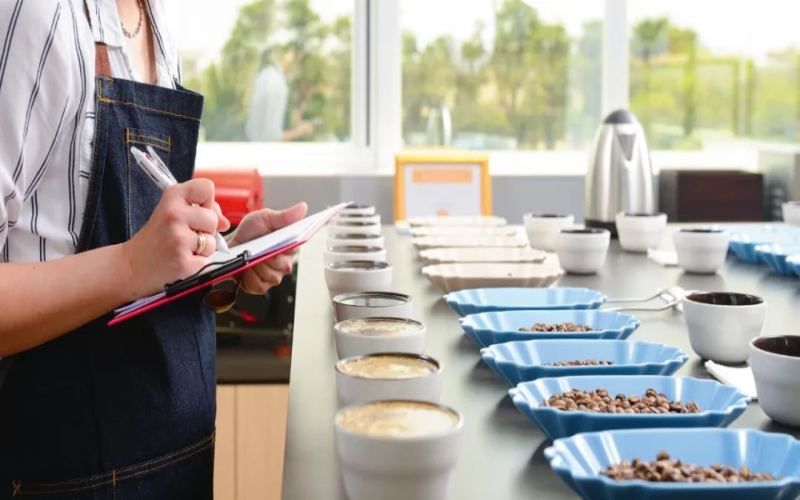
In coffee history, the specialty coffee wave and its three waves form the basic understanding people have of coffee. People often compare and contrast specialty coffee beans with commercial coffee beans, as if the two were opposites. So what are the differences and connections between them? To understand the differences between the two, we must first understand specialty coffee's [more…]
A Complete Guide to Ethiopia's Nine Specialty Coffee Regions: Farming Systems, Flavor Profiles, and Front Street Coffee's Selected Bean List
Ethiopia is the country with the richest coffee gene pool in the world. Its coffee cultivation system is divided into four major categories: forest, semi-forest, garden, and plantation, with 90% of production coming from the first three smallholder models. This article will introduce the nine major specialty regions of Gimma, Sidamo, Yirgacheffe, Harar, Limu, Illubabor, Gimbi, Tepi, and Bebeka one by one, covering altitude, cultivation system, processing methods, and flavor characteristics, and will also include representative beans and brewing suggestions for each region from Front Street Coffee, giving you a systematic understanding of the complete landscape of this country of "the king's flavor." [more…]
An In-Depth Guide to Ethiopian Coffee: A Comprehensive Analysis of Flavor Characteristics and Trading Systems in Nine Specialty Regions
Ethiopia is the core of the global coffee gene pool, home to four cultivation systems—forest, semi-forest, garden, and plantation—and birthplace of nine distinctive specialty regions such as Yirgacheffe, Sidamo, and Harar. This article systematically lays out the geography, variety characteristics, processing methods, and trading system of Ethiopian coffee, takes a deep dive into the flavor differences across regions, and includes Front Street Coffee's cupping comparisons and brewing suggestions, offering coffee lovers a complete Ethiopian coffee tasting map. [more…]
Colombian Specialty Coffee Bean Flavor Analysis: From the Andes Mountain Growing Regions to Washed Processing and the Grading System
Colombian coffee occupies an important place in the global coffee market thanks to its mild acidity, its rich, full-bodied notes of dark chocolate and roasted nuts, and its caramel-like sweetness. The skillful balance of sour, sweet, and bitter flavors makes it a common choice for espresso blends, and Front Street Coffee's specialty blend includes beans from Colombia. This article will take you through an in-depth look at the growing environment, main producing regions, grading system, and processing methods of Colombian specialty coffee beans, and introduce several Colombian single-origin everyday beans from Front Street Coffee worth trying, so you can experience the unique flavors nurtured by the Andes Mountains. [more…]
A Complete Guide to Colombian Specialty Coffee Regions: From Grading Standards to Huila Flavor and Pour-Over Parameters
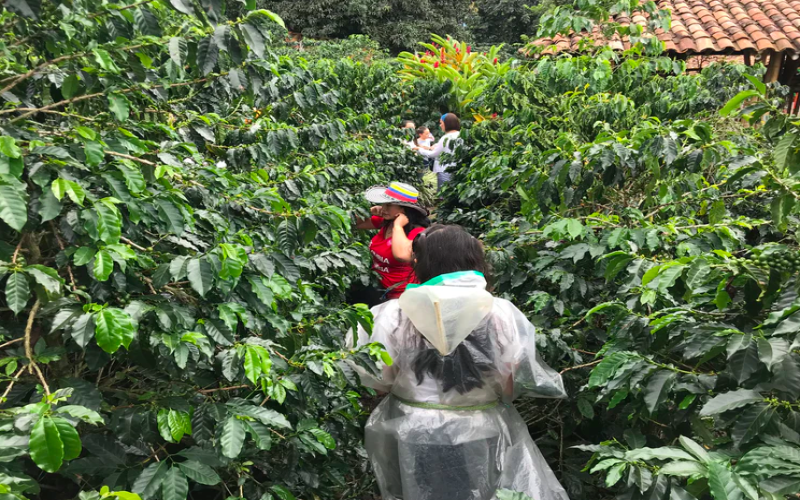
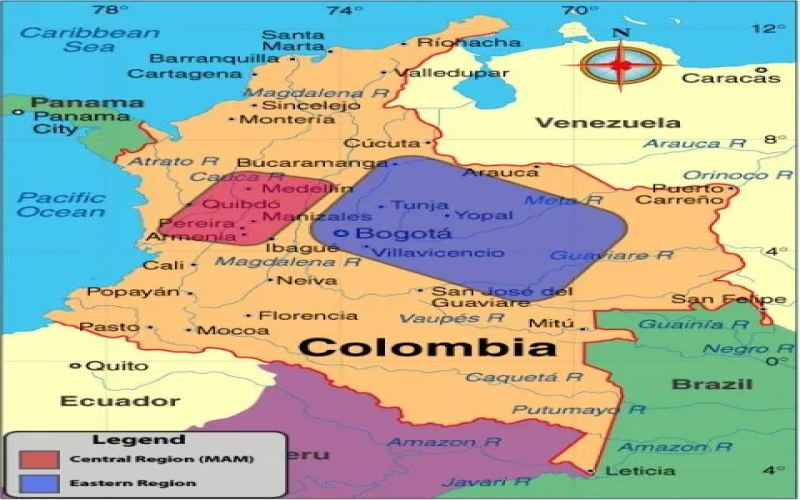
Colombia, supported by the mild climate of the Andes, abundant rainfall, and fertile soil nourished by active volcanoes, has become a key origin for specialty coffee worldwide. Although only Arabica varieties are grown within its borders, the bean size and flavor differ significantly from region to region, giving rise to grading systems such as Supremo, Excelso, and Extrac. The MAM production area in the central and northern regions offers bright fruit acidity but slightly less complexity, while southern provinces such as Huila, Cauca, and Nariño, due to their high altitude and thick volcanic ash, produce plump beans with refined flavors, highlighted by berry-like sweet acidity and a caramel finish, making them the core source of specialty beans. Front Street Coffee's Colombian beans for sale are all sourced from the south, with Huila as the representative, using medium-dark roasting and washed Caturra, paired with a three-stage V60 pour-over, to present a clean and full-bodied cup. [more…]
Where Does the Chocolate Flavor in Colombian Huila Coffee Beans Come From? An Analysis of the Balanced, Premium Specialty Region's Characteristics
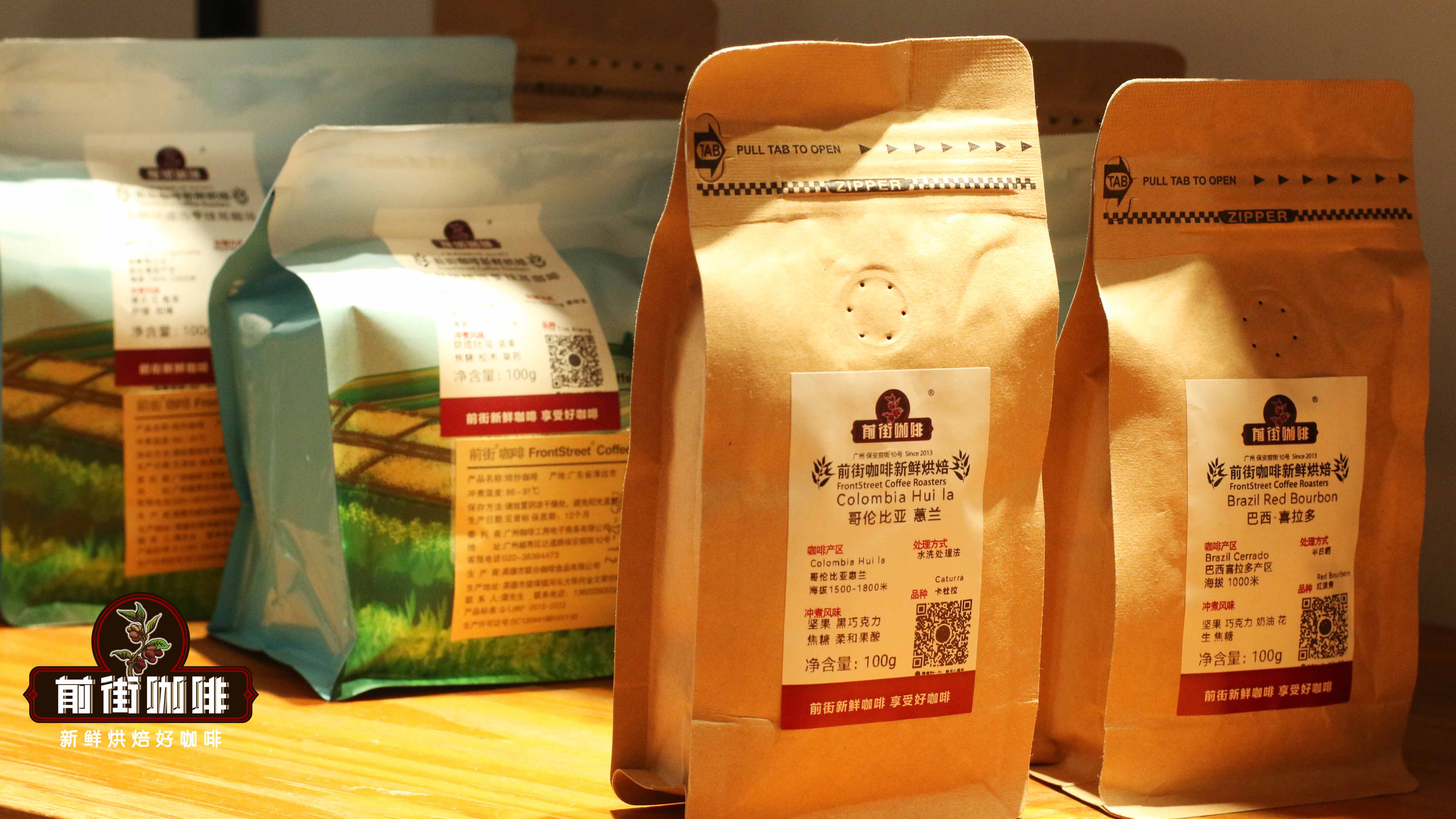
Colombia's Huila region, with the high-altitude advantage of the Andes Mountains, produces premium coffee with notes of nuts, dark chocolate, and caramel, and is regarded as a representative of high-end specialty coffee. This article will guide you through the geographical conditions, cultivation environment, and current processing practices of the Huila region, analyze the reasons behind its flavor characteristics, and recommend Front Street Colombia Huila coffee beans—a self-roasted gem made from the Caturra variety using the washed process, suitable for espresso machines, pour-over, French press, and other brewing methods, allowing you to easily experience its smooth, sweet, chocolatey character. [more…]
A Detailed Guide to Colombian Coffee Regions and Grading System: From Supremo to Huila Specialty Flavor
Colombia, with the mild climate of the Andes, abundant rainfall, and volcanic ash soil, has become an important producer of high-quality Arabica coffee worldwide. Coffee within the country is graded by bean size: beans above 17 mesh are classified as Supremo specialty grade, while 14–16.5 mesh is commercial Excelso. Beans from the central MAM region are smaller, with pronounced fruit acidity but weaker complexity and body; the southern provinces of Huila, Cauca, and Nariño, at altitudes above 1,500 meters, produce large beans with refined acidity, berry sweetness, and a caramel finish. All Colombian beans from Front Street Coffee are sourced from the south, with the Huila region being especially favored. This article will systematically outline the grading logic and regional differences of Colombian coffee, and include the specific brewing parameters for Front Street Huila Caturra. [more…]
Central American Coffee Beans | Which regions in Colombia produce specialty coffee? What does the MAM designation mean? What are the flavor characteristics of washed beans from the Huila region?
Colombia is the world's second-largest producer of Arabica coffee beans after Brazil. Everyone is well acquainted with the chocolate-like flavor characteristic of Colombian coffee beans. Everyone also knows that coffee originated in Ethiopia—so if no one had brought coffee seeds or coffee saplings to Colombia, how could this [more…]

A Complete Analysis of Ethiopia's Nine Major Coffee Regions: Yirgacheffe, Sidamo Native Species Flavors, and Front Street Roasting & Brewing Guide
As the birthplace of Arabica coffee, Ethiopia is home to the world's largest coffee gene pool. Its nine specialty regions each possess a distinct terroir character, from the citrus and floral notes of Yirgacheffe to the wild, complex aromas of Harrar, from the rich fruity tones of Sidama to the sandalwood finish of Limu, presenting an astonishing spectrum of flavors. This article systematically reviews the altitude, processing methods, and flavor characteristics of Ethiopia's various regions, offers an in-depth interpretation of the variety classification logic behind Heirloom landraces, including the origins of the JARC series, Dega, and Kurume, and, combined with Front Street Coffee's Huakui roasting curve and V60 brewing parameters, provides coffee lovers with a complete guide from origin to cup. [more…]
A Full Analysis of Kenyan Washed Coffee Flavors: Pour-Over Performance and the Origins of Berry Notes in Three Specialty Regions
Kenyan coffee has long been known for its vivid berry notes, but a country label alone can no longer satisfy enthusiasts' curiosity about the details of its origins. This article focuses on three major specialty regions in Kenya—Nyeri, Kirinyaga, and Muranga—sorting out their respective geographical environments, altitude ranges, main varieties, and harvest rhythms, and, combined with Front Street Coffee's cupping records, presents the flavor differences among regions under washed processing. At the same time, readers are reminded that regional styles are not ironclad rules; altitude, variety, and processing method all influence the direction of the final cup. [more…]
What is the difference between Yirgacheffe and Sidamo? A comprehensive analysis of Ethiopia's two major specialty coffee regions
Yirgacheffe and Sidamo are the two most prominent specialty coffee regions in Ethiopia. The former is famous for its citrus and floral notes, while the latter is known for its diverse flavors and wild charm. Geographically, they once belonged to the same larger region, but later became independent due to their unique flavors. This article will systematically compare the similarities and differences between these two regions from the perspectives of altitude, climate, soil, and representative coffee beans, and provide detailed recommendations and brewing suggestions for a variety of Ethiopian specialty beans from Front Street Coffee, including Yirgacheffe Guddina, Red Cherry, Huakui, and Hamasho, helping coffee enthusiasts gain a deeper understanding of the diverse charm of Ethiopian coffee. [more…]
The Flavor Code of Brazilian Coffee Regions: Distribution Characteristics of Six Major Regions and Recommended Representative Brands
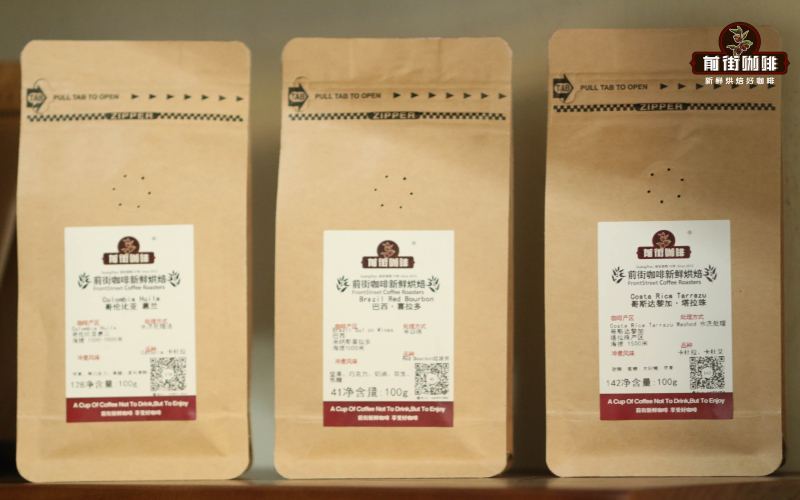
As the world's largest coffee producer, Brazil is known for its coffee beans with soft acidity and a smooth mouthfeel, making them ideal for those who are new to specialty coffee and not quite ready for pronounced acidity. Brazil has six major coffee-producing regions: Bahia, Espírito Santo, Minas Gerais, São Paulo, Paraná, and Rondônia. Each region, due to differences in altitude, climate, and cultivation methods, presents distinct flavor characteristics. Among them, the Cerrado region in Minas Gerais is the hallmark of Brazilian specialty coffee, and the Brazilian Red Bourbon daily-drinker beans selected by Front Street Coffee come from here. This article will go through the distribution, growing conditions, and flavor characteristics of the six major regions one by one, and introduce detailed information and brewing suggestions for Front Street's Brazil Cerrado Red Bourbon. [more…]
2012 Global Specialty Coffee Green Bean Competition Top 10 List: Ethiopian and Colombian Geisha Shine
The Specialty Coffee Association of America's Roasters Guild hosted the 2012 Coffee of the Year (COTY) green coffee competition, bringing together 250 green coffees from 26 countries to compete on the same stage, ultimately selecting ten specialty coffees representing the highest standard of the year. Judges conducted blind tastings and scoring across six dimensions—dry fragrance, wet aroma, mouthfeel, flavor, aftertaste, and body—with Ethiopian and Colombian Geisha emerging as the biggest winners. This article will present the complete detailed data of this top ten list and interpret the outstanding performance of various regions and varieties, providing coffee enthusiasts with a professional reference. Front Street Coffee will also combine the list to recommend specialty beans worth paying attention to. [more…]

Top 10 Specialty Coffee Regions Worldwide: A Guide to Premium Gift Coffee Beans from Africa to Asia
If you want to find the single-origin coffee that best represents your taste preferences, or choose a respectable coffee gift for a friend, understanding the producing regions is the first step. Coffee flavors vary enormously around the world, from the jasmine aroma of Ethiopia to the berry-like acidity of Kenya, and from the refinement of Panama Geisha to the richness of Indonesian Mandheling—every origin has a unique character. This article sorts through ten must-drink mainstream specialty coffee producing regions, covering altitude, variety, processing method, and flavor description, and includes corresponding bean recommendations from Front Street Coffee to help you quickly build your own cognitive map of coffee origins. [more…]